Metal fabrication depends on more than just skilled workers, it relies on careful checks to maintain high-quality results. Metal fabricator in Dubai applies standards that track every stage of production, from raw steel to finished parts. These practices help prevent hidden flaws, reduce errors, and give clients confidence that each component can handle real-world demands.
Starting with Raw Materials:
Quality begins before any machine touches the steel. Metals are examined for consistency, strength, and imperfections. Even small scratches or weak points can affect the final product. Shops may test samples for flexibility or hardness, allowing adjustments to the process before fabrication begins. Early attention to materials saves time and protects the integrity of finished structures.
Monitoring Cutting and Shaping:
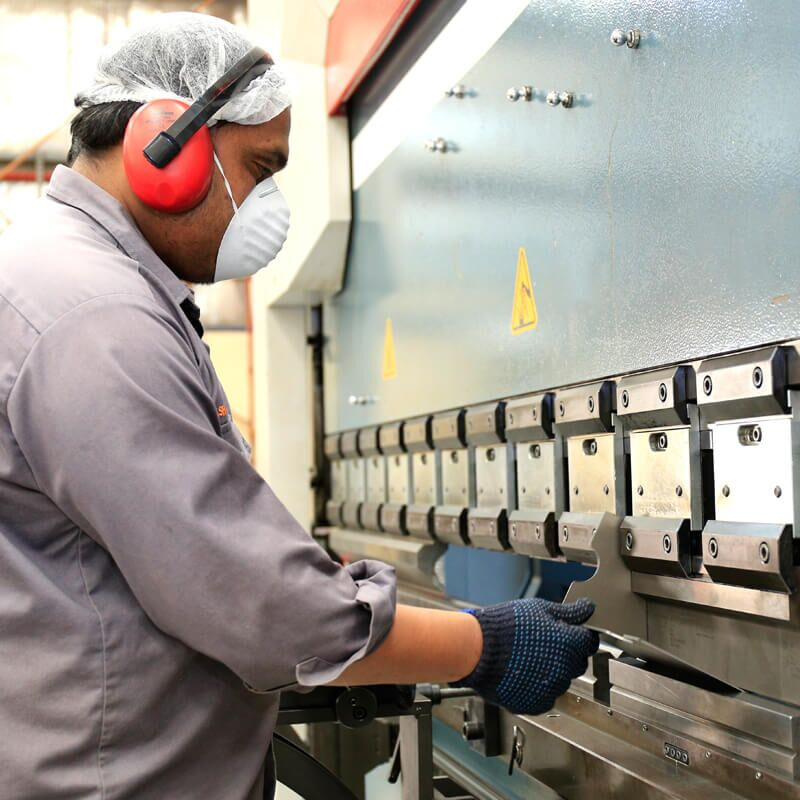
Precision in cutting and bending sets the tone for the entire project. Laser cutters, plasma machines, and press brakes are monitored closely to maintain exact dimensions. Measurements are cross-checked against design plans to catch deviations immediately. This step prevents problems that could require rework or compromise structural strength later.
Inspecting Welds and Connections:
Welds form the backbone of fabricated structures, and their quality can’t be assumed. Fabricators check for alignment, penetration, and smoothness. Techniques such as dye penetration or ultrasonic scanning identify cracks or weak points invisible to the eye. Strong joints make the difference between a reliable component and one that could fail under stress.
Verifying Assembly Fit:
Even when individual pieces are correct, assembly may reveal small misalignments. Components are dry-fitted and measured to confirm they line up perfectly. Minor adjustments at this stage prevent larger problems during installation. Careful fitting makes sure the final product meets both functional and aesthetic expectations.
Surface and Finishing Checks:
Paints, coatings, or galvanizing are inspected for coverage and adhesion. Uneven finishes can lead to corrosion or early wear. Shops test coatings for thickness and durability to verify long-term protection. Proper finishing safeguards metal surfaces while giving products a professional appearance.
Record Keeping and Accountability:
Documenting inspections and tests is as important as performing them. Detailed records track materials, processes, and corrective actions. This transparency allows fabricators to trace issues and maintain accountability. It also provides clients with confidence that the production process follows recognized standards.
Applying these quality control practices transforms metal fabrication from simple cutting and welding into a methodical process that produces reliable, long-lasting components. Metal fabricator uses precise inspections, careful assembly checks, and thorough documentation to deliver products that meet practical needs and client expectations.